
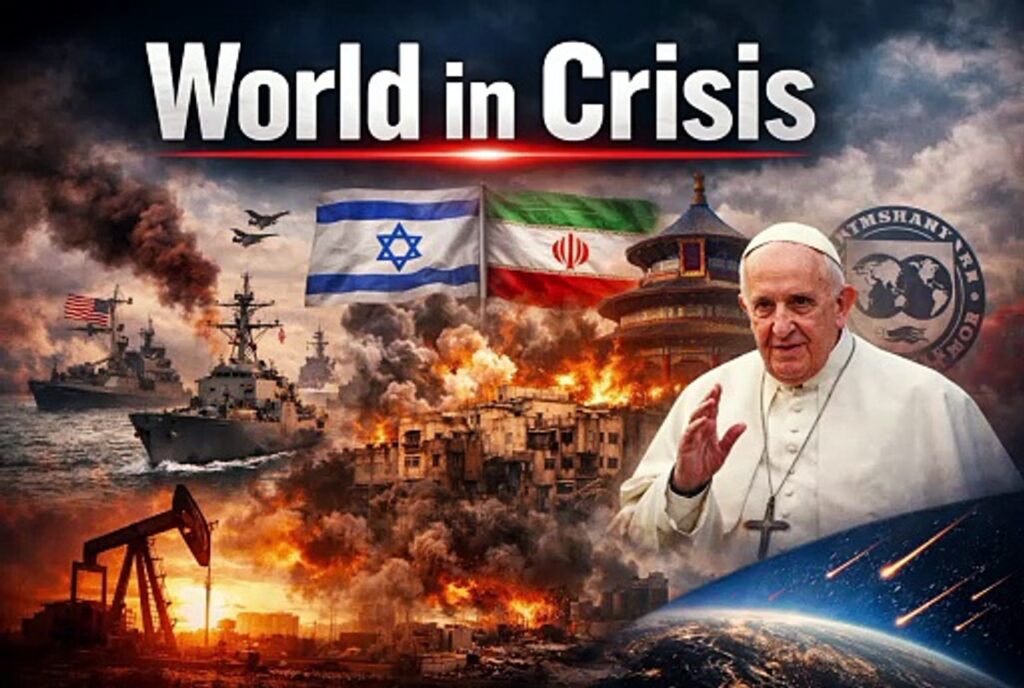
Tensions across the Middle East have entered a dangerous new phase following renewed military strikes, rising regional hostilities, and growing friction between global powers. The latest developments have heightened fears of a wider conflict that could destabilize not only the region but also the global economy.
Renewed Violence in Gaza
Recent Israeli airstrikes in Gaza have resulted in multiple casualties and widespread damage to infrastructure. Local sources report that residential areas and key facilities were affected, worsening an already fragile humanitarian situation.
The strikes are part of an ongoing cycle of violence between Israel and Palestinian groups, with both sides accusing each other of provocation. Rocket fire and retaliatory actions have continued, making a ceasefire increasingly difficult to achieve.
Humanitarian organizations warn that civilians remain the most affected, facing shortages of essential supplies, limited access to healthcare, and deteriorating living conditions.
U.S.–Iran Tensions Intensify
At the same time, tensions between the United States and Iran are escalating, adding another layer of complexity to the crisis. Increased military presence in the region—particularly near the Strait of Hormuz—has raised concerns about a potential confrontation.
The Strait of Hormuz is one of the world’s most critical oil transit routes, with a significant portion of global energy supply passing through it daily. Any disruption could trigger severe consequences for international trade and fuel prices.
Both Washington and Tehran have issued strong statements, signaling readiness to defend their interests. While neither side has confirmed direct military engagement, the risk of miscalculation remains high.
Global Economic Impact
The escalation is already sending shockwaves through global markets. Oil prices have surged amid fears of supply disruptions, while stock markets have shown increased volatility as investors react to uncertainty.
Energy-dependent nations are particularly vulnerable, with analysts warning that prolonged instability could lead to inflationary pressures, higher transportation costs, and slower economic growth worldwide.
Diplomatic Efforts and Uncertainty
Amid rising tensions, diplomatic efforts are ongoing but fragile. Reports suggest that the United States is exploring indirect negotiations with Iran through regional intermediaries, including Pakistan and Gulf states.
However, there is no confirmation from Iran regarding participation, and both sides continue to maintain firm public positions. Analysts note that past negotiations have often been hindered by mistrust and conflicting strategic goals.
International organizations and world leaders are urging restraint, emphasizing the need for dialogue over confrontation. Calls for an immediate ceasefire and renewed peace talks have intensified in recent days.
Risk of Wider Regional Conflict
Experts warn that the current situation carries a real risk of expanding into a broader regional conflict. Neighboring countries and allied groups could become involved, potentially turning localized clashes into a multi-front crisis.
The involvement of major global powers further increases the stakes, raising concerns about long-term geopolitical instability.
What Comes Next
The coming days will be critical. Whether through diplomatic breakthroughs or further escalation, the trajectory of the crisis will likely shape regional dynamics for months—if not years—to come.
For now, the world watches closely as leaders weigh their next moves, balancing military strategy with the urgent need for peace.