
Introduction
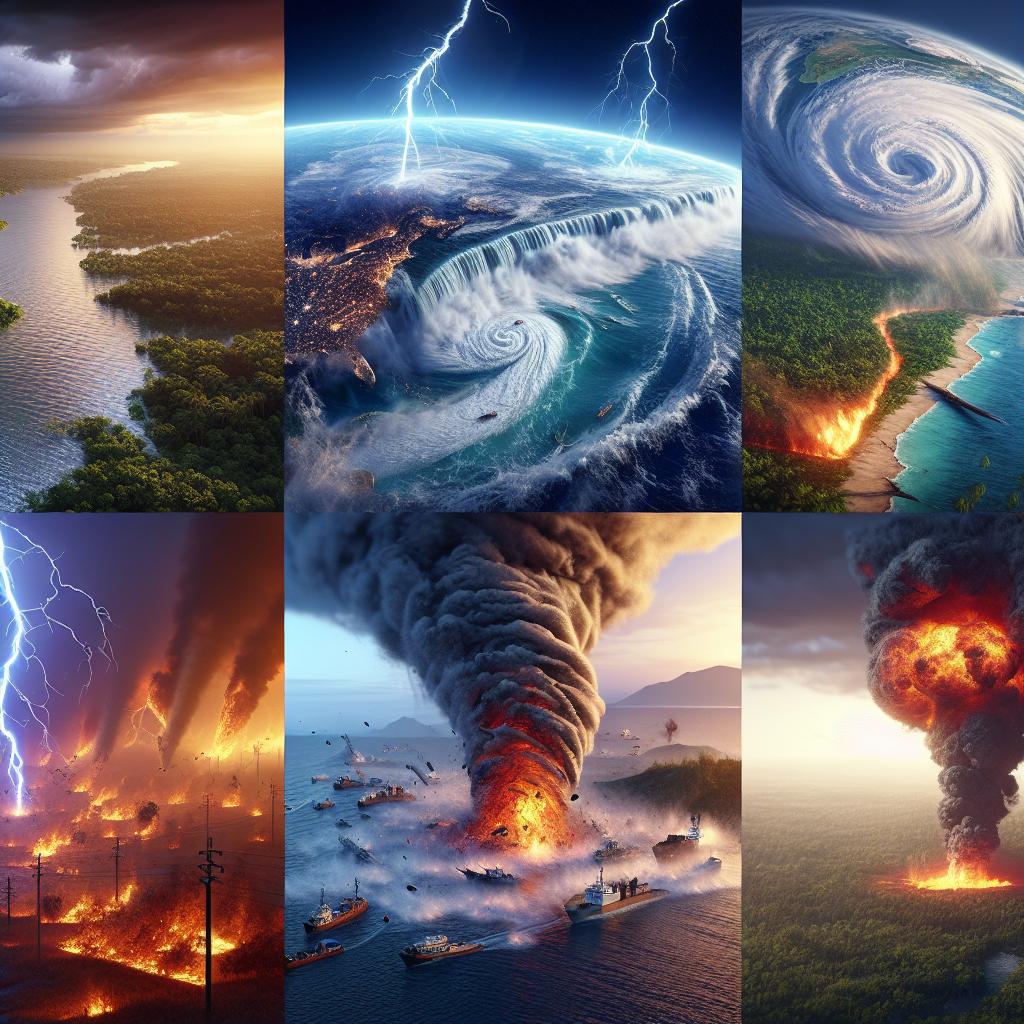
Natural Disasters are among the most destructive events that occur on Earth, affecting millions of people every year. From powerful earthquakes and devastating floods to hurricanes, cyclones, wildfires, and tsunamis, Natural Disasters can cause significant damage to lives, property, infrastructure, and the environment. In recent years, the frequency and intensity of many Natural Disasters have increased, raising concerns among governments, scientists, and communities worldwide. Understanding Natural Disasters, their causes, effects, and prevention strategies is essential for reducing risks and protecting people from future disasters.
Many countries invest heavily in disaster preparedness because Natural Disasters can occur with little warning. Effective planning, modern technology, and public awareness can help reduce the impact of Natural Disasters and improve recovery efforts after disasters strike.
What Are Natural Disasters?
Natural Disasters are catastrophic events caused by natural processes of the Earth. These events occur when natural hazards such as earthquakes, floods, storms, or volcanic eruptions affect vulnerable communities and cause widespread destruction.
Unlike human-made disasters, Natural Disasters originate from environmental and geological processes. While humans cannot prevent most Natural Disasters, they can take steps to reduce their impact through preparedness and risk management.

Common Types of Natural Disasters
- Earthquakes
- Floods
- Cyclones
- Hurricanes
- Tornadoes
- Tsunamis
- Wildfires
- Volcanic Eruptions
- Droughts
- Landslides
Each type of Natural Disasters presents unique challenges and requires different response strategies.
Causes of Natural Disasters
Understanding the causes of Natural Disasters helps communities prepare and respond more effectively.
Geological Causes
Many Natural Disasters occur due to geological activity beneath the Earth’s surface.
Examples include:
- Earthquakes caused by tectonic plate movements
- Volcanic eruptions caused by magma pressure
- Tsunamis triggered by underwater earthquakes
Weather and Climate Causes
Weather-related Natural Disasters are often linked to atmospheric conditions.
Examples include:
- Hurricanes
- Cyclones
- Floods
- Droughts
- Tornadoes
Environmental Factors
Deforestation, soil erosion, and environmental degradation can increase the impact of certain Natural Disasters such as floods and landslides.
Climate Change
Climate change is contributing to more frequent and severe weather-related Natural Disasters. Rising temperatures influence rainfall patterns, sea levels, and extreme weather events worldwide.
Earthquakes
Earthquakes are among the most dangerous Natural Disasters. They occur when energy stored within the Earth’s crust is suddenly released.
Effects of Earthquakes
- Building collapse
- Infrastructure damage
- Loss of life
- Landslides
- Tsunamis
Earthquake Preparedness
Communities can reduce earthquake risks through:
- Strong building codes
- Emergency drills
- Public awareness programs
- Early warning systems
Preparedness helps reduce casualties during these Natural Disasters.
Floods
Floods are one of the most common Natural Disasters worldwide. They occur when water covers areas that are normally dry.
Causes of Floods
- Heavy rainfall
- River overflow
- Dam failures
- Storm surges
- Rapid snowmelt
Effects of Floods
- Property damage
- Crop destruction
- Water contamination
- Displacement of communities
- Economic losses
Flood management systems help communities reduce the impact of these Natural Disasters.

Cyclones and Hurricanes
Cyclones and hurricanes are powerful storms that develop over warm ocean waters.
Characteristics
- Strong winds
- Heavy rainfall
- Coastal flooding
- Storm surges
Impacts
These Natural Disasters often destroy homes, infrastructure, and agricultural land.
Prevention and Preparedness
Authorities use weather monitoring systems to predict storms and issue warnings before these Natural Disasters make landfall.
Tsunamis
Tsunamis are giant waves generated by underwater disturbances.
Causes
- Underwater earthquakes
- Volcanic eruptions
- Landslides
Effects
- Coastal flooding
- Infrastructure destruction
- Loss of life
- Economic disruption
Early warning systems are essential for reducing the impact of tsunami-related Natural Disasters.
Wildfires
Wildfires are rapidly spreading fires that burn forests, grasslands, and vegetation.
Causes
Natural causes include:
- Lightning strikes
- High temperatures
Human causes include:
- Negligence
- Campfires
- Electrical faults
Effects
Wildfires are among the most destructive Natural Disasters because they can spread quickly across large areas.
Consequences include:
- Habitat destruction
- Air pollution
- Property loss
- Health problems
Volcanic Eruptions
Volcanic eruptions occur when magma, ash, and gases escape from beneath the Earth’s surface.

Hazards
- Lava flows
- Ash clouds
- Toxic gases
- Pyroclastic flows
Effects
Volcanic Natural Disasters can disrupt transportation, agriculture, and public health.
Although dangerous, volcanic activity also contributes to fertile soil formation in many regions.
Droughts
Droughts are prolonged periods of below-average rainfall.
Consequences
- Water shortages
- Crop failures
- Food insecurity
- Economic hardship
Droughts are slow-developing Natural Disasters that can have long-lasting impacts on communities.
Landslides
Landslides involve the movement of rock, soil, or debris down slopes.
Causes
- Heavy rainfall
- Earthquakes
- Deforestation
- Construction activities
Effects
- Property damage
- Transportation disruptions
- Injuries and fatalities
Many landslide-related Natural Disasters can be reduced through proper land-use planning.
Impact of Natural Disasters on Society
The impact of Natural Disasters extends far beyond immediate destruction.
Human Impact
- Loss of life
- Injuries
- Displacement
- Mental health challenges
Social Impact
Communities affected by Natural Disasters often face disruptions to education, healthcare, and public services.
Economic Impact
Major Natural Disasters can cost billions of dollars in recovery and reconstruction efforts.
Natural Disasters and Climate Change
Climate change is increasingly influencing many weather-related Natural Disasters.
Rising Global Temperatures
Higher temperatures contribute to:
- Stronger storms
- Increased droughts
- More frequent wildfires
Rising Sea Levels
Sea-level rise increases coastal flooding risks during Natural Disasters.
Extreme Weather Events
Scientists report that climate change may increase the intensity of certain Natural Disasters around the world.
Disaster Management
Effective disaster management helps reduce the impact of Natural Disasters.
Prevention
Measures aimed at reducing disaster risks.
Preparedness
Activities conducted before Natural Disasters occur.
Response
Emergency actions during disasters.
Recovery
Rebuilding communities after Natural Disasters.
Disaster management is essential for protecting lives and property.
Technology and Natural Disasters
Modern technology plays an important role in monitoring Natural Disasters.
Satellite Monitoring
Satellites track storms, floods, and wildfires.
Seismic Sensors
Sensors detect earthquake activity.
Weather Forecasting
Advanced forecasting helps predict weather-related Natural Disasters.
Artificial Intelligence
AI improves disaster prediction and emergency response planning.
Technology continues to improve how societies respond to Natural Disasters.
Emergency Preparedness
Prepared communities are better able to cope with Natural Disasters.
Emergency Kits
Essential items include:
- Water
- Food
- Medicines
- Flashlights
- Batteries
Family Plans
Families should know evacuation routes and communication methods.
Community Awareness
Education programs help people understand risks associated with Natural Disasters.
Reducing the Impact of Natural Disasters
Although Natural Disasters cannot always be prevented, their impact can be reduced.
Key Strategies
- Improved infrastructure
- Early warning systems
- Sustainable environmental practices
- Public awareness campaigns
- Strong emergency services
Investment in resilience helps communities withstand future Natural Disasters more effectively.
Global Cooperation
International cooperation is important during major Natural Disasters.
Countries often provide:
- Humanitarian aid
- Emergency funding
- Medical assistance
- Search and rescue teams
Global partnerships strengthen disaster response capabilities worldwide.
Future Challenges
The future presents new challenges related to Natural Disasters.

Urbanization
Growing cities increase disaster risks.
Population Growth
More people may be exposed to Natural Disasters.
Climate Change
Changing environmental conditions may intensify certain Natural Disasters.
Addressing these challenges requires long-term planning and global cooperation.
Conclusion
Natural Disasters remain one of the greatest challenges facing humanity. Earthquakes, floods, cyclones, hurricanes, tsunamis, wildfires, droughts, landslides, and volcanic eruptions continue to affect millions of people worldwide. While Natural Disasters cannot be completely prevented, effective disaster management, early warning systems, technological advancements, and public awareness can significantly reduce their impact.
As climate change and population growth increase disaster risks, governments and communities must invest in preparedness and resilience. Understanding Natural Disasters is essential for protecting lives, safeguarding economies, and building a safer future for generations to come. By working together and strengthening disaster response systems, societies can better prepare for future Natural Disasters and recover more quickly when they occur.